Ett nordiskt partnerskap som omfattar Danmark, Sverige, Norge och Finland har beviljats EU Interreg-finansiering för projektet ”Commercialisation of Nordic SMEs within Women’s Health”. Målet är att hjälpa nordiska bolag verksamma inom kvinnohälsa att ta steget från forskning till innovation och kommersialisering genom fem stödområden: regulatoriska processer, klinisk utveckling, market access, investerbarhet och nordiskt samarbete.
Beviljandet är resultatet av tre års förarbete, partnerskapsbyggande och väntan på att EU Interregs innovationsfonder skulle öppna igen. Det bygger vidare på Medicon Valley Alliance redan befintliga fokus på kvinnors hälsa som syftar till att sätta segmentet på den politiska, forskningsmässiga och affärsmässiga agendan i Norden.
Ett kommersiellt och kliniskt paradigmskifte
Kvinnohälsa-begreppet har historiskt begränsats till grundläggande reproduktiv vård. På senare år har det dock skett, och sker fortfarande, en kommersiell och strukturell omvandling. ”Femtech” och kvinnors hälsa, som tidigare närmast setts som välgörenhet eller en nischad specialitet, betraktas allt oftare som en attraktiv investeringsmöjlighet med potential till hög avkastning. En utveckling som drivs av kombinationen av klinisk datavalidering och massiv underdiagnostisering.
Branschdata visar en tydlig förskjutning från passiva hälsoappar mot tekniskt avancerad diagnostik, medicintekniska produkter av klinisk kvalitet och riktade läkemedelsbehandlingar. Definitionen av segmentet har länge definierats av förbisedda kvinnospecifika tillstånd – som endometrios, polyendokrint metabolt ovarialsyndrom (PMOS) och avancerad klimakteriebehandling – men på senare tid har begreppet vidgats betydligt. Sektorn inkluderar nu i allt högre grad även icke-exklusivt kvinnliga tillstånd som drabbar kvinnor i högre grad, eller på andra sätt, än män. Det handlar bland annat om cancer (till exempel bröst-, äggstocks- och livmoderhalscancer) samt hjärt-kärlsjukdomar och autoimmuna sjukdomar, där kvinnospecifika biomarkörer och avvikande kliniska förlopp historiskt har förbisetts.
Ett brett nordiskt nätverk, däribland BioStock
Det nyligen finansierade projektet leds av Medicon Valley Alliance, tillsammans med kärnpartnerna DTU – Danmarks Tekniske Universitet, SmiLe Venture Hub och The Life Science Cluster. Projektet involverar många aktörer, däribland BioStock, vars samlade ambition är att bidra till att lovande lösningar kan nå patienter snabbare, samtidigt som man visar att området inte bara är en samhällsangelägenhet utan också en stark kommersiell möjlighet.
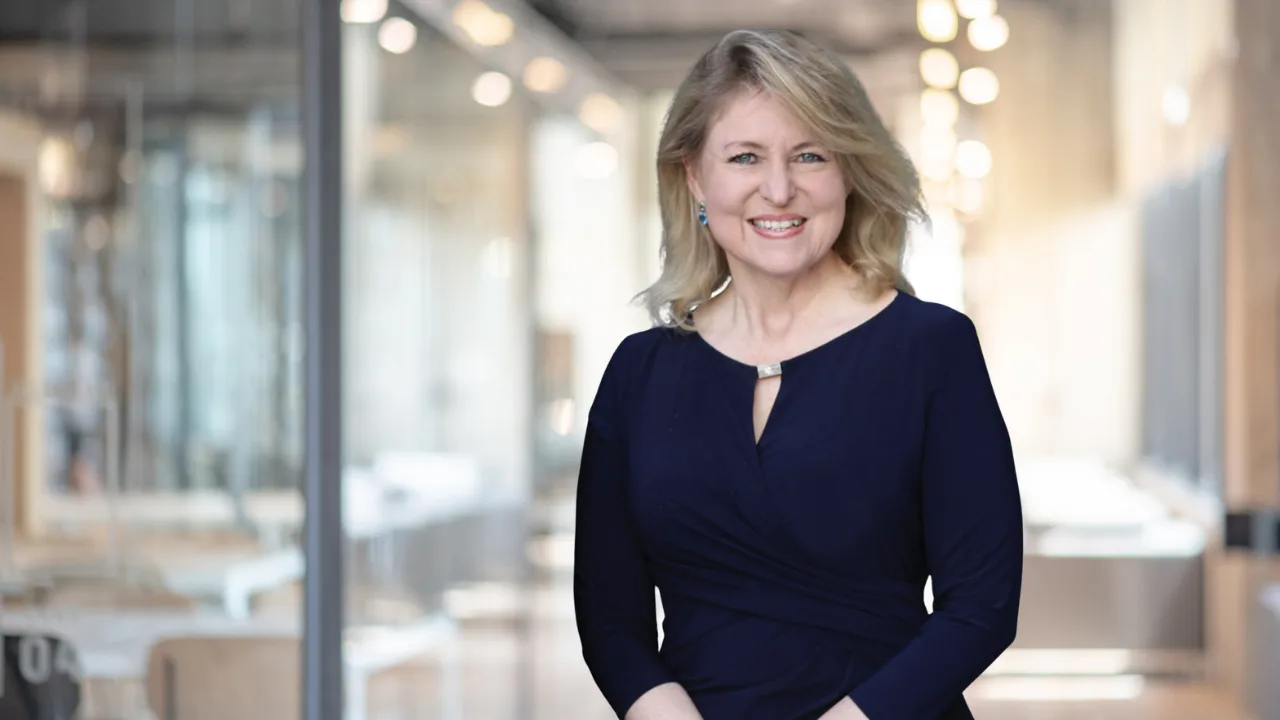
– I’m genuinely excited to grow and strengthen this Nordic collaboration even further, believing the Nordics are stronger when we move together, skriver Anette Steenberg i ett LinkedIn-inlägg.
Medicon Valley Alliance kommenterar
BioStock pratade med Anette Stenberg om initiativet, finansieringen och dess innebörd för nordisk life science.
In your opinion, what does it mean that EU Interreg is funding a women’s health project for the first time?
– It is a strong signal that women’s health is finally being recognised as a strategic priority for Europe – not just a societal issue, but an innovation and growth opportunity. For too long, the field has been overlooked despite its scale and impact. This funding marks a shift from awareness to action. It also creates a window of opportunity for the Nordics to lead, if we are willing to align our efforts and invest with the same level of ambition.
Of the five support areas, where do you see the biggest gap for Nordic women’s health SMEs today?
– Access to capital and investor readiness remain the biggest barriers. We have world-class research and early innovation in the Nordics, but too many companies struggle to translate that into scalable businesses. There is still a gap in specialised capital and in investors who truly understand the potential of women’s health. If we want to build a leading position, we need to connect science, capital, and market pathways much more effectively.
As you elude to, women’s health is still an underfunded area, but the word of the untapped opportunity is starting to spread. What is your take on the development?
– We are at a clear inflection point. The narrative is shifting from fairness to growth and return on investment. The data shows massive unmet needs combined with strong commercial potential. Actually, the Nordics have all the prerequisites to lead in this space –strong health data, clinical excellence, trust-based systems, and collaborative ecosystems. But potential alone is not enough. We need to act with speed and coordination, otherwise others will capture the opportunity.
What’s the message to investors who are still on the fence about women’s health as a commercial category?
– The real risk is not investing. This is one of the most underpenetrated markets in healthcare, with a significant upside. The pipeline is maturing, the unmet need is well documented, and global capital is moving. Early movers will define the category and capture the value. This is not a niche, it is a structural shift in healthcare, and investors who hesitate risk missing a major growth wave.
What happens next within the project framework, once the formal approval comes through?
– We will move quickly into execution by activating our strong Nordic partnership and establishing an effective, structured pipeline to support companies. A key priority will be to identify and recruit Nordic SMEs that are already on the path to commercialisation – but not yet there – and provide them with targeted support across regulatory, clinical, market, and investment readiness.
– At the same time, this is about building something bigger. We want to demonstrate that the Nordics, by working together, can create a new stronghold within women’s health in Europe. None of our countries will be a decisive competitive force on their own, but together, we have the scale, talent, and infrastructure to lead.
– This is why there is also a clear call to action for national governments in Denmark and Sweden, as well as the EU: to support and prioritise this emerging field. With the right alignment of policy, funding, and collaboration, we have a unique opportunity to grow new companies, new markets, and a globally competitive Nordic position within women’s health.