Solida tumörer är fortfarande ett av de tuffaste områdena inom cancerforskningen. Till skillnad från blodcancer, där cellterapier som CAR-T har gett remarkabla resultat, är solida tumörer svåra att nå och skapar ofta en immunfientlig miljö som skyddar cancercellerna från angrepp. Oslobaserade Zelluna tar sig an det problemet med en distinkt strategi: att kombinera T-cellsreceptorernas precision i att hitta tumörer med Natural Killer-cellers inneboende förmåga att döda – en plattform känd som TCR-NK.
En central fördel är att Zellunas terapier är allogena och färdiga att använda ”off the shelf”, tillverkade i förväg från donatorsceller snarare än skräddarsydda för varje enskild patient. Det förändrar i grunden möjligheterna att skala upp cellterapi, och Zelluna har visat att hundratals doser kan produceras från ett enda tillverkningsbatch.
Stark preklinisk grund
Innan det kliniska steget har Zelluna byggt upp ett övertygande vetenskapligt underlag för den ledande kandidaten. I december 2025 publicerades data för ZI-MA4-1 i den vetenskapliga tidskriften Immunotherapy Advances. Resultaten visade att kandidaten effektivt dödar cancerceller i flera tumörtyper, förblir aktiv trots vanliga resistensmekanismer hos tumörer, aktiverar flera anticancermekanismer och uppvisar en god säkerhetsprofil i prekliniska modeller.
– This publication validates our approach. It is also a testament to the dedication and innovation of our talented team. With our preclinical data completed, manufacturing process locked, and clinical material ready, we are well-positioned to start clinical trials in 2026, säger Luise Weigand, vetenskaplig chef på Zelluna.
Från labb till klinik
Den mest betydelsefulla milstolpen i närtid kom i februari, när den brittiska läkemedelsmyndigheten MHRA och en nationell forskningsetikkommitté gav grönt ljus för ZIMA-101 – bolagets första kliniska fas I-studie på människa. Godkännandet innebär att Zelluna nu tar steget från prekliniskt till kliniskt bolag.
Studien utvärderar ZI-MA4-1 hos patienter med avancerade solida tumörer, däribland lungcancer, äggstockscancer, huvud- och halscancer samt sarkom. Syftet är att undersöka säkerhet, tolerabilitet och tidiga tecken på klinisk aktivitet. Studien genomförs vid två av Storbritanniens ledande centra för tidig klinisk onkologiforskning – The Christie i Manchester och Royal Marsden i London – med globala CRO Medpace som ansvarig för studiedrift och projektledning. De första kliniska data väntas från mitten av 2026.
AI bygger nästa pipeline
Medan ZI-MA4-1 rör sig framåt i klinik arbetar Zelluna redan på nästa kandidat. I mars tillkännagavs ett nytt samarbete med brittiska Etcembly, som använder AI för att konstruera T-cellsreceptorer snabbare och med högre precision än konventionella metoder.
Det är inte första gången de båda bolagen samarbetar. Den MAGE-A4-riktade receptorn som ligger till grund för ZI-MA4-1 togs fram inom ramen för Zellunas tidigare samarbete med Etcembly. Nu när den receptorn tagit sig hela vägen till MHRA-godkännande riktar de två bolagen siktet mot ett andra cancerantigen: KKLC1.
KKLC1 är ett välvaliderat cancerantigen som förekommer i flera svårbehandlade solida tumörtyper. Genom att utveckla receptorer mot detta antigen breddar Zelluna sin portfölj bortom MAGE-A4 och kan adressera ett större spektrum av cancerformer och patienter.
Finansierad för nästa fas
För att finansiera arbetet med ZIMA-101 och den fortsatta pipelineutvecklingen genomförde Zelluna i november en riktad emission, som kompletterades med ett erbjudande till allmänheten och som tillförde bolaget NOK 58,2 miljoner. Emissionen fick starkt stöd från befintliga aktieägare, ledning och styrelse – ett tydligt förtroendebevis från dem som känner programmet bäst.
Zelluna deltar på BioStock Global Forum i Lund i maj 2026 – ett välkommet tillfälle för investerare att möta bolaget direkt i ett skede när de första kliniska data börjar ta form.
Frågor till vd Namir Hassan
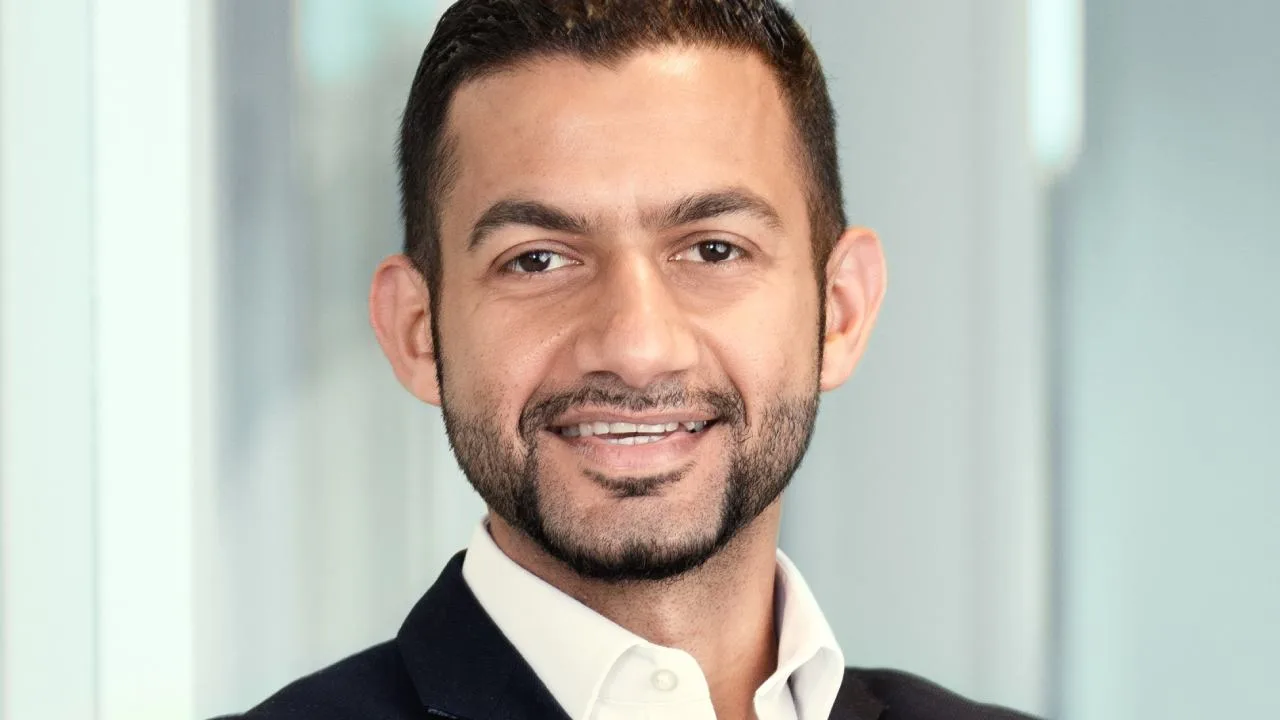
BioStock kontaktade vd Namir Hassan för att få veta mer om Zellunas senaste framsteg och vad som väntar framåt.
ZIMA-101 is being initiated in two leading clinical sites in the UK. Can you update us on the progress of site initiation and what the early phase of study execution involves?
– We are on track to activate the study at the lead clinical site, The Christie, in early May, with The Royal Marsden anticipated to follow over the following weeks. Given that site activation is imminent, we are entering the earliest phase of study execution.
– At this stage, the focus is on ensuring a smooth and controlled start – working closely with investigators on patient identification and screening, while maintaining a strong emphasis on safety. As is typical for first-in-human studies in advanced solid tumours, recruitment is a careful and deliberate process, particularly given the heavily pre-treated patient population.
– We recently hosted a Capital Markets Update, available on our website, where our lead investigator, Prof Fiona Thistlethwaite, provided helpful context on the dynamics and expectations around patient recruitment in this setting. Her perspective reinforces the importance of precision in patient selection at this early stage.
– From a study execution standpoint, the initial phase is about generating high-quality data. This includes safety and tolerability, alongside early insights into how our TCR-NK cells behave in patients – including tumour trafficking, and initial biological activity.
– It is still very early, but this marks a pivotal transition into clinical execution. As the study progresses, it will not only inform the development of ZI-MA4-1, but also generate broader learnings for our TCR-NK platform.
These are two of the world’s leading early-phase oncology centres. What does it mean to be working with these institutions?
– Working with centres such as The Christie and The Royal Marsden is highly important for a study like this. These institutions are at the forefront of early-phase oncology and have deep experience in conducting complex first-in-human cell therapy trials.
– For us, it brings three key advantages. First, clinical expertise – the investigators and site teams are very experienced in managing advanced cancer patients and novel therapies, which is critical in a first-in-human setting. Second, quality of execution – these centres are set up to run early-phase trials with a high degree of diligence, which supports the generation of robust and reliable data. And third, access to patients – they see a large number of heavily pre-treated patients, which is important for studies like ZIMA-101.
– Importantly, it also allows for a close scientific dialogue. We are working with leading clinicians, including Prof Fiona Thistlethwaite and Dr Andrew Furness, to not only execute the study, but to learn from it – particularly in understanding how our TCR-NK cells behave in patients.
– Overall, these collaborations give us a strong foundation to execute the trial well and to generate meaningful insights, both for ZI-MA4-1 and for the broader TCR-NK platform.
ZI-MA4-1 was engineered using AI in your first collaboration with Etcembly. How significant was that collaboration in getting you to clinical approval – and what does it tell you about the role AI can play in TCR development?
– The collaboration with Etcembly has been important for us. The MAGE-A4-targeting receptor that underpins ZI-MA4-1 was developed through that partnership – deploying cutting edge AI enabled engineering – and has now progressed from discovery through to regulatory approval for clinical testing. That in itself represents a strong validation of the approach.
– Importantly, AI is not replacing biology – it is enhancing how we design and select T cell receptors. It enables us to explore a much broader design space, more efficiently identify high-quality candidates, and optimise key parameters such as specificity and potency early in the process..
– From our perspective, the key values are speed and precision. AI-enabled design can shorten timelines and increase the probability of identifying strong candidates, which is particularly important in a field like TCR development where traditional approaches can be time-consuming and complex.
The new collaboration targets KKLC1. What makes this antigen compelling, and how does it complement MAGE-A4 from a portfolio strategy perspective?
– KKLC1 is a compelling target because it is a cancer-testis antigen with broad expression across multiple solid tumour types, while showing limited expression in normal tissues. This makes it well suited for targeted TCR-based approaches, where specificity is critical.
– From a portfolio perspective, it complements MAGE-A4 by expanding both the range of tumour types we can address and the proportion of patients we can potentially treat. While MAGE-A4 is a well-validated target with strong clinical precedent, KKLC1 allows us to build on that foundation and broaden our reach into additional patient populations.
– More broadly, we believe there is an emerging opportunity with NK-based therapies. There are early indications that the safety profile of NK cells may allow us to explore targets that could be more challenging for T cell-based approaches. While this remains to be demonstrated clinically, it has the potential to meaningfully expand the universe of addressable TCR targets over time.
– In that context, our strategy is to build a portfolio of high-quality TCRs against validated intracellular targets, combined with our TCR-NK platform. KKLC1 represents a natural next step – leveraging the same underlying approach while increasing the breadth and long-term potential of our pipeline.–
Solid tumours have historically been very difficult for cell therapies to crack. What is it about the TCR-NK approach that gives you confidence it can succeed where others have struggled?
– Solid tumours have been challenging for all therapeutic modalities, and while cell therapies have demonstrated responses, there remain several key barriers – including limited trafficking of immune cells into the tumour, and tumour escape mechanisms such as antigen or HLA loss, limiting response durability. Our TCR-NK approach is designed to address these challenges in a more integrated way.
– First, the T cell receptor enables us to target intracellular antigens, significantly expanding the range of targets available in solid tumours compared to approaches limited to surface antigens. – – This is important because many of the most relevant cancer drivers are not accessible on the cell surface and can only be targeted through TCRs. TCR-based approaches have demonstrated strong clinical validation in solid tumours, including achieving regulatory approvals, whereas approaches focused solely on surface antigens, such as CARs, have faced greater challenges in this setting.
– Second, NK cells bring a complementary biology. They have a natural ability to recognise and kill cancer cells through multiple mechanisms. This has the potential to reduce the risk of tumour escape – for example, if one antigen is lost, alternative mechanisms of recognition may still trigger activity – and may provide an advantage in heterogeneous tumour settings, which has been a limitation for more single-target approaches, such as T cell based therapies.
– Third, NK cells have shown a favourable safety profile in clinical settings to date, which could allow for more flexible dosing, including repeat dosing, the potential for outpatient treatment, and may enable exploration of targets that are more challenging for T cell-based therapies.
– Finally, our cell therapies are designed to be scalable and off-the-shelf. This supports broad patient access, consistent product quality, and the ability to treat patients in a timely and controlled manner, which is particularly important in late-stage solid tumour settings.
– Taken together, we believe the combination of precise targeting through TCRs, the broad innate killing capacity of NK cells, and the scalability and flexibility of an off-the-shelf approach provides a differentiated strategy for tackling solid tumours, with the potential to address key limitations of current therapies and enable durable responses´.
Recent transactions in the cell therapy space suggest growing interest in off-the-shelf platforms, often driven by relatively early clinical data. How do you see Zelluna fitting into this landscape, and what role do you expect early clinical data to play in demonstrating value?
– We are seeing increasing recognition that scalable, off-the-shelf cell therapy approaches have the potential to address some of the fundamental limitations of first-generation therapies, particularly in solid tumours. Many of the recent transactions in the field – ranging from hundreds of millions to billions of dollars – have been driven by relatively early clinical datasets, where initial signals of safety and biological activity have been sufficient to demonstrate the underlying potential of a platform. One example is the acquisition of EsoBiotech by AstraZeneca on the basis of data from a single patient for a total deal value of approximately USD 1billion.
– For Zelluna, we believe our TCR-NK approach is well aligned with this shift. We combine clinically relevant TCR targeting with the scalability and safety profile associated with NK cells, alongside an off-the-shelf manufacturing approach that supports broader patient access. This positions us within a segment of the field that is gaining significant strategic and investor interest.
– As we move into the clinic, our focus is on generating high-quality early data that can begin to demonstrate both safety and early signs that the biology is translating in patients. This includes parameters such as tumour trafficking, and initial anti-tumour activity.
– Importantly, early clinical data is not only about the lead asset. It can provide validation of the broader platform, informing future pipeline development and helping to unlock the full potential of the approach. We see this upcoming phase as an important step in positioning Zelluna within the evolving cell therapy landscape.
Zelluna will be participating at BioStock Global Forum in Lund in May. What message do you want to bring to the Nordic investment community?
– Our key message is that Zelluna is entering a very important phase, as we transition into the clinic with our TCR-NK platform. After several years of building the science, the platform, and the manufacturing capabilities, we are now in a position to begin generating human data.
– We believe our approach is well aligned with where the field is moving – combining precise targeting through TCRs with the scalability and potential safety advantages of an off-the-shelf NK-based platform. This is particularly relevant in solid tumours, where there remains a significant unmet need and where scalable approaches are increasingly gaining attention.
– For investors, the next phase is about execution and data. Early clinical readouts have the potential to provide important insights not only into our lead programme, but also into the broader platform, and we are approaching a point where that data will begin to emerge.
– Overall, we see this as a key inflection point for the company, and we look forward to engaging with the Nordic investment community as we take this next step.