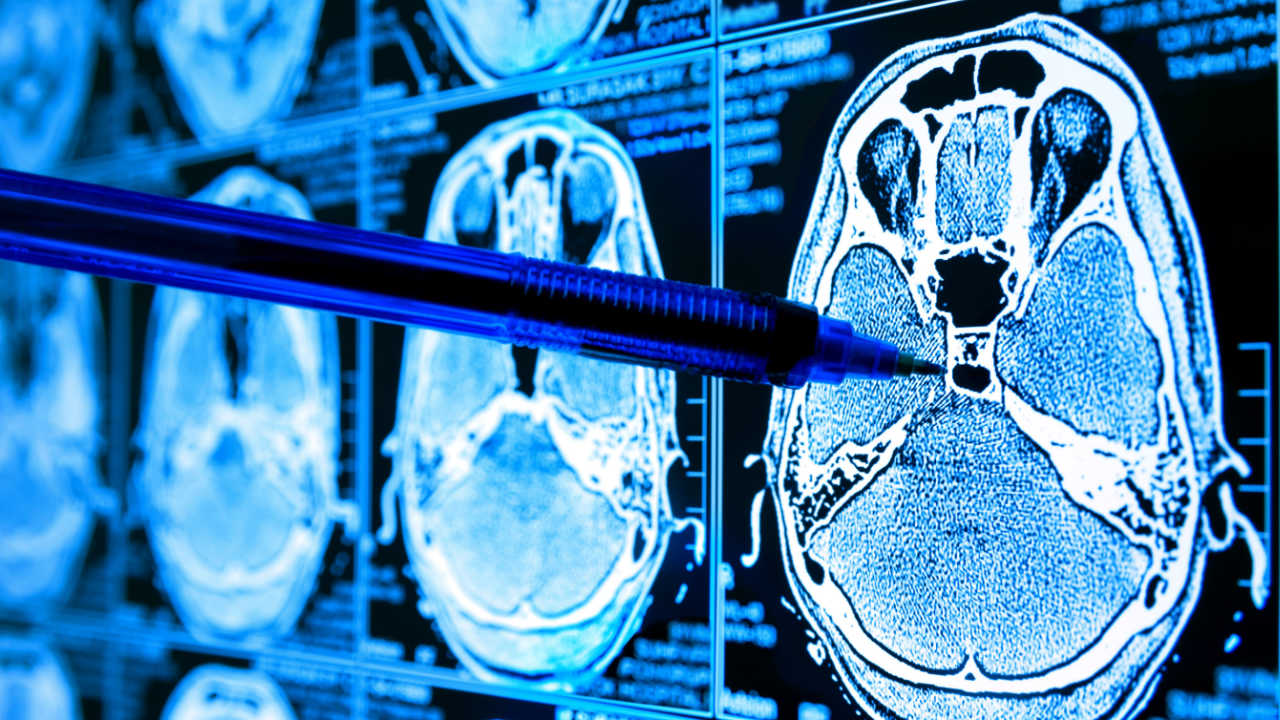
I juni lämnade Curasight in sin ansökan om klinisk prövning till den europeiska läkemedelsmyndigheten (EMA), för en fas I-studie av uTREAT hos patienter med glioblastom. Med godkännandet säkrat förbereder sig bolaget nu för nästa steg mot att inleda kliniska tester. Den första patienten förväntas doseras under fjärde kvartalet 2025.
Ett stort steg framåt i Curasights terapeutiska utveckling
Godkännandet är en viktig milstolpe för Curasight. Medan bolagets diagnostiska plattform uTRACE redan har utvärderats kliniskt, går nu även den terapeutiska plattformen uTREAT in i klinik. Detta innebär att de båda teknologierna utvecklas parallellt som en del av Curasights uPAR-teranostiska plattform – ett integrerat tillvägagångssätt utformat för att förbättra både diagnos och behandling av cancerformer som uttrycker uPAR-receptorn, i linje med den strategi som bolaget tillkännagav i slutet av förra året.
uTRACE-plattformen är utformad för att tillhandahålla känslig avbildning av cancerceller, medan uTREAT levererar riktad strålning för att förstöra tumörvävnad. Genom att kombinera dessa verktyg syftar Curasight till att förbättra precisionen i behandlingen och minska biverkningar som ofta uppstår vid konventionell strålbehandling.
Varför glioblastom?
Glioblastom är en av de mest aggressiva formerna av hjärncancer och representerar ett betydande medicinskt behov. Varje år får mer än 30 000 personer i USA och EU diagnosen, varav cirka 10 procent är barn. Prognosen är fortfarande extremt dålig: hälften av patienterna dör inom 14 månader och endast 5 procent lever längre än fem år.
Traditionell behandling, som inkluderar extern strålning, är effektiv för att bromsa sjukdomen men skadar ofta frisk hjärnvävnad. Genom att rikta in sig på uPAR-receptorn – som finns i majoriteten av glioblastom – har uTREAT potential att leverera strålning mer exakt till tumörer samtidigt som friska områden i hjärnan skonas. Detta skulle kunna förbättra både behandlingsutfall och och livskvalitet avsevärt.
Den kommande kliniska prövningen
Fas I-studien kommer att inkludera patienter med nydiagnostiserat glioblastom och kommer främst att fokusera på säkerhet och tolerabilitet vid olika dosnivåer. Designen bygger på tidigare forskning med uTRACE och har utvecklats i samråd med ledande kliniska experter.
Om studien lyckas kan den lägga grunden för större studier som undersöker uTREAT:s effekt och i slutändan möjliggöra en behandling som minskar, eller till och med ersätter, behovet av traditionell strålbehandling vid hjärncancer.

Vd kommentar
Vi kontaktade Curasights vd, Ulrich Krasilnikoff, för en kommentar om godkännandet av ansökan och utsikterna för uTREAT i glioblastom.
What does the EMA’s approval mean for Curasight?
– This is a very important step forward – Curasight is now in clinical development for both our diagnostic (uTRACE) and treatment (uTREAT) platforms. Today’s news where EMA gives the green light for the Phase 1 study testing uTREAT in patients with aggressive brain cancer means we can soon start enrolling patients and be on track to deliver first data by the end of the year. The recent capital injection means we are now well equipped to deliver on this plus other key milestones in our clinical development pipeline.
How do you see uTREAT’s potential to change the way glioblastoma is treated?
– We believe uTREAT has the potential to provide more targeted and more gentle treatment to glioblastoma. This is a very aggressive cancer where there has been little progress in the treatment regime for the last decade so we believe uTREAT could represent an important new treatment option for patients with glioblastoma.
What are the most important goals of this phase I trial?
– The phase I trial will enroll patients with newly diagnosed glioblastoma and will focus primarily on safety and tolerability at different dose levels. This will inform us of optimal dose levels for future clinical development.
What role does the uTRACE diagnostic platform play alongside uTREAT in your theranostic strategy?
– We pursue a theranostic platform development for better diagnosis and more gentle treatment options for certain cancers, With our diagnostic platform uTRACE we believe we can provide more precise and improved diagnosis and categorisation of certain types of cancer, and then we can use our uTREAT platform for more targeted treatment of the cancer. In other words – if we can visualize the cancer on a scan image with uTRACE, then there is also a high probability that we can kill the cancer cells with uTREAT, since we use the same link to the cancer cells (the biomarker uPAR) in both uTRACE and uTREAT. This means we use uTRACE to qualify those patients who will also benefit from uTREAT based on ”what you see is what you treat” – and that is what the theranostic principle is based on. This is of great value to the patient and our healthcare system – just as we will hit cancers with spread right down to the cellular level, which you cannot see with the naked eye.
How significant is the finding that 94 percent of high-grade gliomas are uPAR-positive?
– The fact that 94% of high-grade gliomas are uPAR-positive is highly significant because it shows that Curasight’s uTREAT has the potential to be relevant for almost all glioblastoma patients, validating the target and broadening both clinical impact and market opportunity.”
Finally, what key milestones do you expect in the project?
– We expect to enroll patients in the coming time and pending recruitment, as this is a relatively small and nimble trial in terms of numbers of patients and design, we aim to have data before the end of the year. This will be a very big milestone – both for Curasight but even more importantly for a patient group where the prognosis for recovery is still very poor – and that is what we hope we can do better.
Innehållet i BioStocks nyheter och analyser är oberoende men BioStocks verksamhet är i viss mån finansierad av bolag i branschen. Detta inlägg avser ett bolag som BioStock erhållit finansiering från.